
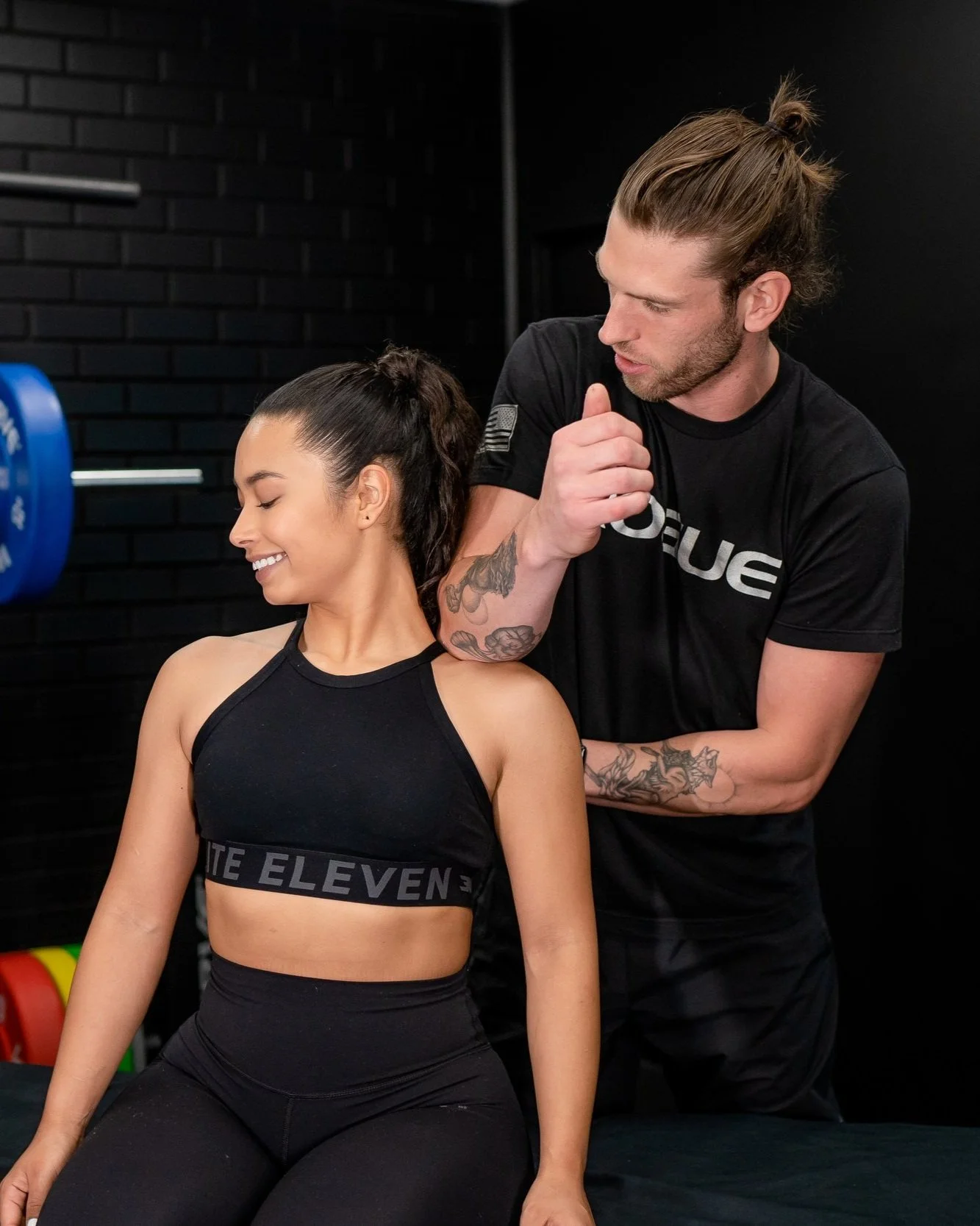
Myotherapy
Myotherapy is a hands-on, evidence-informed approach to assessing, treating and managing musculoskeletal pain and dysfunction. Your myotherapist works out why you’re in pain, then builds a treatment plan to get you moving well again and keep you that way.
What to expect
Every session starts with a thorough assessment. Your myotherapist will ask about your history and look at your posture and movement, and may run orthopaedic and functional tests to find the source of the problem. Treatment is then tailored to you and may include:
- Soft tissue and remedial massage techniques
- Dry needling
- Myofascial release and trigger point therapy
- Joint mobilisation and stretching
- Fire Cupping
- Corrective exercise and home-care advice
PRICES:
Myotherapist: 30 Minutes - $65 45 Minutes - $90 60 Minutes - $115 90 Minutes - $160
Senior Myotherapist: 30 Minutes - $80 45 Minutes - $110 60 Minutes - $140 90 Minutes - $160

Remedial Massage
Remedial massage is a targeted, therapeutic massage aimed at finding and treating areas of muscle tension, tightness and discomfort. It’s more focused than a relaxation massage. Your therapist assesses where you’re holding tension and adjusts pressure and technique to work on the areas that need it most.
What to expect
Your session starts with a short chat about what’s bothering you, any injuries or health history, and what you’d like to get out of the treatment. From there, your therapist may conduct some function tests before using a combination of:
- Deep tissue and sports massage techniques
- Trigger point therapy
- Myofascial release
- Stretching
- Self-care and stretching advice to take home
PRICES:
Massage Therapist: 30 Minutes - $50 45 Minutes - $75 60 Minutes - $95 90 Minutes - $140
Senior Massage Therapist: 30 Minutes - $65 45 Minutes - $90 60 Minutes - $115 90 Minutes - $160
Principal Practitioner: 30 Minutes - $80 45 Minutes - $110 60 Minutes - $140 90 Minutes - $160

Deep Tissue Massage
Deep tissue massage uses slow, firm pressure to reach the deeper layers of muscle and connective tissue. It targets the chronic tightness and stubborn knots that lighter massage can’t reach, the kind that build up from long hours at a desk, physical work or regular training.
What to expect
Your therapist will check in first about problem areas, any injuries and how much pressure you’re comfortable with. The work is slower and more focused than a general massage, often concentrating on a few key areas rather than the whole body. Some moments may feel intense, but it should never be painful. Let your therapist know at any point and they’ll adjust. It’s normal to feel some soreness for a day or two afterwards, much like after a solid workout. Drinking water and staying gently active can help.
PRICES:
Massage Therapist: 30 Minutes - $50 45 Minutes - $75 60 Minutes - $95 90 Minutes - $140
Senior Massage Therapist: 30 Minutes - $65 45 Minutes - $90 60 Minutes - $115 90 Minutes - $160
Senior Myo or Principal Practitioner: 30 Minutes - $80 45 Minutes - $110 60 Minutes - $140 90 Minutes - $160

Cupping
Cupping uses silicone, glass or plastic cups to create gentle suction on the skin. Massage pushes down into the tissue; cupping does the opposite and lifts the skin and underlying fascia. Many people find this helps ease tightness and improve how muscles move.
What to expect
Cups may be left in place for a few minutes (static cupping) or glided across the skin with oil (dynamic cupping). Most people describe it as a pulling or stretching sensation rather than pain. Cupping can leave temporary circular marks on the skin. These aren’t bruises from injury. They’re usually painless, and they typically fade within a few days to a week.
Massage Therapist: 30 Minutes - $50 45 Minutes - $75 60 Minutes - $95 90 Minutes - $140
Myo or Senior Massage Therapist: 30 Minutes - $65 45 Minutes - $90 60 Minutes - $115 90 Minutes - $160
Senior Myo or Principal Practitioner: 30 Minutes - $80 45 Minutes - $110 60 Minutes - $140 90 Minutes - $160
Dry Needling
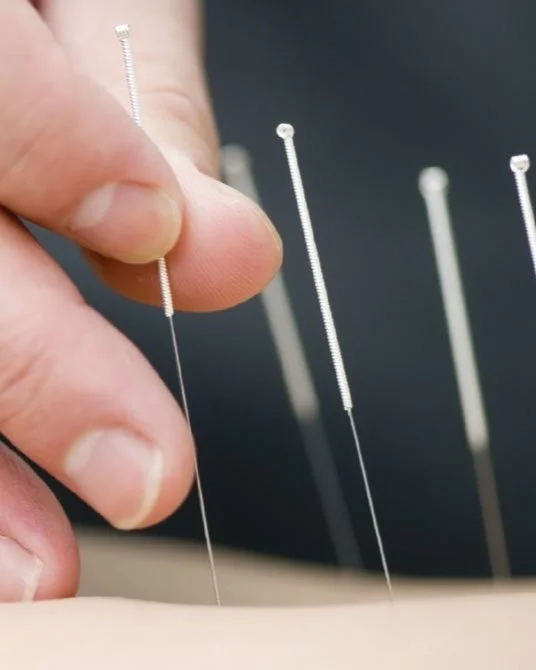
Dry needling uses very fine, sterile, single-use needles inserted into trigger points, the tight, sensitive knots within muscles that can cause local or referred pain. It’s called “dry” because nothing is injected.
What to expect
Your practitioner will assess the area first and explain the treatment before starting. You might barely feel the needle go in. Some people feel a brief twitch or dull ache as the muscle responds, which usually settles quickly. Mild soreness for a day or so afterwards is normal, similar to post-exercise soreness.
Who it can help
Dry needling may help with muscle tightness, trigger points, headaches linked to neck and shoulder tension, and ongoing or recurring muscle pain. It’s always used as part of a broader treatment plan.
Is it the same as acupuncture?
Not quite. Both use similar needles. Acupuncture is based on traditional Chinese medicine principles, while dry needling is based on Western anatomy and the assessment of muscles and trigger points.
Dry needling is performed by practitioners at Flux Therapy who have completed specific training in the technique.
PRICES:
Myotherapist: 30 Minutes - $65 45 Minutes - $90 60 Minutes - $115 90 Minutes - $160
Senior Myotherapist: 30 Minutes - $80 45 Minutes - $110 60 Minutes - $140 90 Minutes - $160

Relaxation Massage
Unwind with a relaxation massage from our team at Flux Therapy.
PRICES:
Massage Therapist: 30 Minutes - $50 45 Minutes - $75 60 Minutes - $95 90 Minutes - $140
Senior Massage Therapist: 30 Minutes - $65 45 Minutes - $90 60 Minutes - $115 90 Minutes - $160